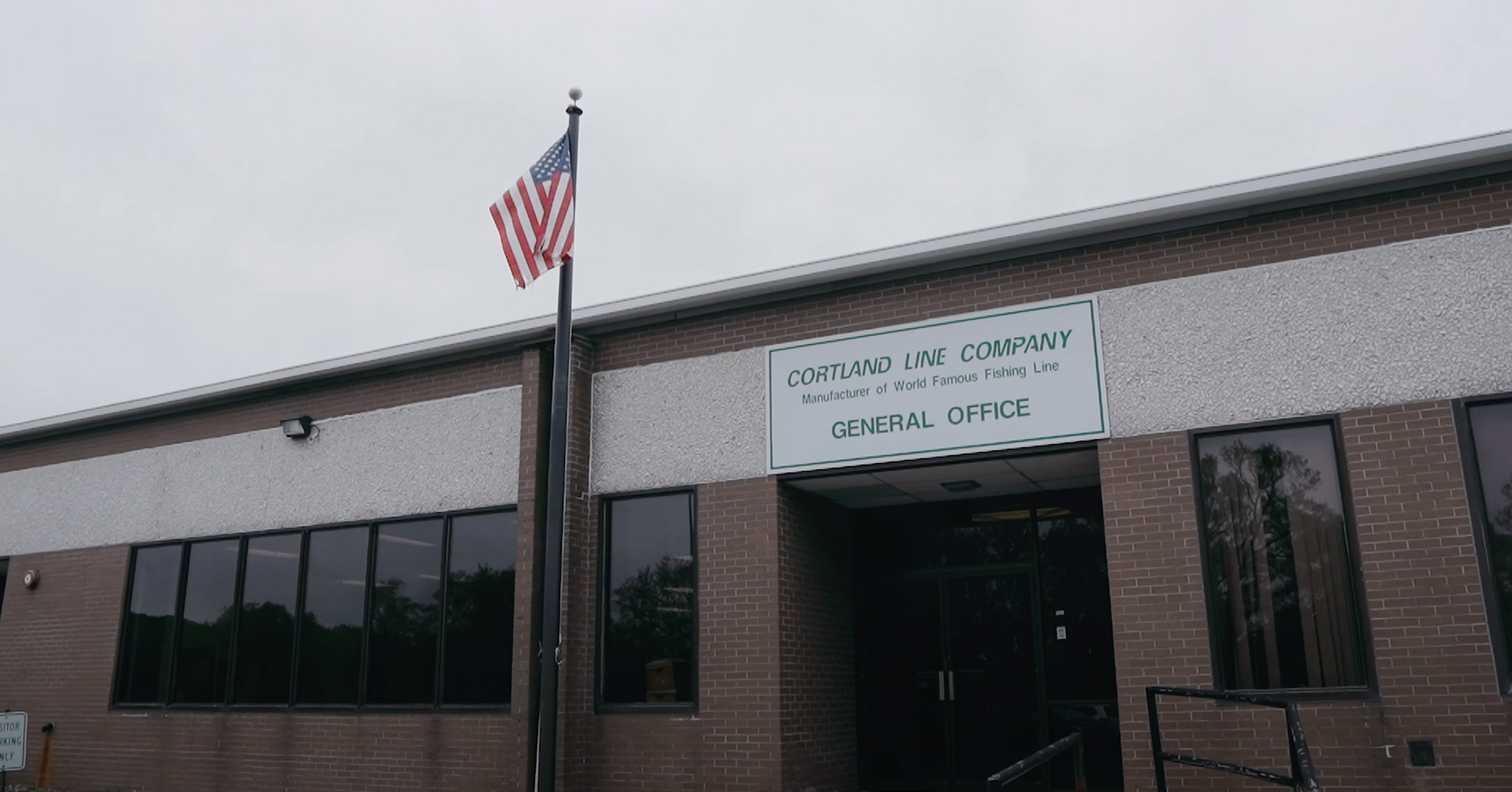
Ray Smith and the Beginning of Cortland Line.
Ray Smith was a Cortland, New York clothing merchant, angler, and owner of The Model clothing store. In 1915, he saw an opportunity in fishing line and began experimenting with materials, from horsetail hair to raw silk ordered through his clothing connections.
Smith bought a braiding machine and began making silk lines upstairs in The Model clothing store. As he traveled, he handed out samples to anglers and other people he met along the way, helping turn a practical idea into the beginning of Cortland Line Company.
As demand grew, the young operation moved into part of the Cortland Wagon Company building. From the start, Cortland was built around making fishing line, understanding fibers, braid, material, construction, and how a line should perform through the cast.


Cortland’s first strength was construction.
Smith’s knowledge of braiding technology became Cortland’s early advantage. By the 1920s and 1930s, the company was known for durable silk fly lines, refined taper construction, and braided line development.
In 1931, Smith filed a patent and trademark for Victor silk fishing line. In 1932, he patented the first braided fishing line, strengthening Cortland’s reputation as a maker, not just a seller, of fishing line.
That same braiding knowledge reached beyond fishing. During World War I, Cortland braiders were used to make sutures. During World War II, Cortland produced parachute cord and bomb cord for the U.S. armed forces.
Smith’s work gave Cortland more than a beginning. It gave the company a way of thinking about fishing line, starting with material, construction, and performance rather than just product. That foundation carried Cortland from silk braid into modern fly lines, conventional lines, and generations of line development still connected to Cortland, New York.


Leon Chandler and Modern Fly Fishing.
Leon Chandler was 19 when he came to Cortland, New York in the summer of 1941. He answered a newspaper ad for an accounting job at Cortland Line and joined the company on December 12 of that year. After serving in the Signal Corps during World War II, he returned to Cortland and moved into sales. He later served as vice president, helping guide the company through some of its most important years of fly line development.
Over five decades with Cortland, Chandler became one of the most important figures in the company's history and in American fly fishing. He taught casting, represented American fly fishing equipment overseas, supported conservation, helped shape industry standards, and became one of Cortland's leading voices for fly line design and performance.

From the factory to the angler.
Chandler became one of Cortland’s strongest connections between the factory, the dealer, and the angler. He understood fly lines at a technical level, but his real strength was making that knowledge useful. He could explain why a taper mattered, how line weight affected a rod, and what a new construction meant once the line reached the water. That role became especially important as Cortland introduced landmark fly lines, including the 333, the first modern synthetic fly line of its kind.
His influence reached well beyond product development. Chandler traveled across the United States and around the world teaching fly casting, demonstrating American fly fishing equipment, and helping anglers understand how equipment choices changed the way they fished. He was not just presenting products. He was teaching people how to cast better, how to match a line to a rod, how to think about presentation, and how to understand fly fishing as a skill built through practice and knowledge.
In 1960, Chandler helped establish the fly line grain weight system, giving anglers, manufacturers, and dealers a clearer way to match fly lines with fly rods. That work gave the industry a more practical language for line size and rod pairing at a time when modern fly tackle was changing quickly. As materials, tapers, and standards evolved, Chandler helped explain those changes in terms anglers could use, whether he was working with dealers, speaking at trade shows, demonstrating at casting pools, or teaching in front of the public.
Through dealer visits, international events, and trade demonstrations sponsored by the U.S. Commerce and State Departments, Chandler represented Cortland and American fly line innovation in front of anglers, retailers, industry leaders, and officials. His travels helped bring Cortland’s fly line knowledge into new markets, while also giving him a broader understanding of how people fished in different places and conditions. That made him valuable not only as a company representative, but as a teacher and ambassador for the sport. His visits to Japan between 1972 and 1993 were one of the strongest examples of that reach, with demonstrations that helped introduce American fly fishing techniques, casting instruction, and modern fly line knowledge to crowds totaling more than 100,000.
Chandler's teaching did not stop at in-person events. His knowledge also appeared in Cortland’s catalogs, advertisements, and instructional materials where anglers could find practical guidance from someone who understood both the product and the way it would be used on the water. He helped shape more than Cortland’s fly line catalog; he helped shape how fly lines were explained, taught, sold, and understood by generations of anglers.


Recognition, standards, and conservation.
Chandler’s influence also reached into the organizations that helped define modern fishing tackle. He served as president of the American Fishing Tackle Manufacturers Association and helped support the fly line grain weight standards anglers still rely on to match rods and lines.
He joined the national board of Trout Unlimited in 1969, served as TU president in 1979 and 1980, and remained on the board for 22 years. In 1988, he was elected to the Freshwater Hall of Fame and received the Dolphin Award. He retired from Cortland in 1992 after more than fifty years with the company.
333: The first bonded synthetic-coated fly line.
After decades of braided silk lines, taper work, and manufacturing growth, Cortland introduced the 333 in 1953, the first fly line manufactured with a bonded synthetic surface coating. For anglers used to silk lines, the difference was practical. The 333 floated without the repeated cleaning, drying, and dressing that traditional silk lines required, making a floating fly line easier to fish and easier to maintain.

The 333 was still built from Cortland’s line-making experience. The braid, taper, and feel still mattered, but the new synthetic coating changed what a fly line could be. It gave Cortland a way to carry its silk-line knowledge into modern materials while solving problems anglers already knew well.
That made the 333 more than a new model in the catalog. It became Cortland’s bridge from braided silk to coated fly lines, and it helped lead into the 444 series and the decades of coating, taper, core, density, and performance work that followed.
Leon Chandler later explained the name with a simple joke.
“our 333rd attempt to get it right.”Chandler convinced Ray Smith to keep it, and the name became one of the most recognized in Cortland fly line history.
From line standards to the fly shop.
After the 333, Cortland kept working on the parts of fly fishing that had to be understood before a line ever reached the water. Leon Chandler helped establish the grain-weight standards used to match fly rods and lines, giving rod makers, line makers, dealers, and anglers a clearer way to talk about line size.
Cortland also kept refining how coated lines were built. By varying coating thickness over a straight braided core, the company could control taper, shape, and feel with more precision. In the fly shop, that meant dealers had more than a box on the wall. They had a better way to explain why one line matched a rod, cast, or fishing situation better than another.
In 1965, Cortland launched the first Pro Shop program in the fishing industry, giving specialty dealers a closer connection to the company’s premium fly lines and the product knowledge behind them. A few years later, Cortland introduced Complete Balanced Fly Rod Outfits, pairing the rod, reel, and line as a ready-to-fish setup under the trademarked phrase “just add water.” Both moves kept the same idea going, making the line easier to understand, easier to sell, and easier for anglers to fish with confidence.
444: A Cortland classic that kept moving fly lines forward.


The 333 proved that a modern coated fly line could replace the maintenance-heavy silk lines anglers had used for generations. The 444 took that idea further. Introduced in 1962, it was not just a new coated line, it was Cortland refining what a modern fly line should feel like in the hand and on the water.
The original 444 brought a smooth, glasslike finish, a controlled jacket, and supple handling that made it easier to fish in changing conditions. For trout anglers, especially those fishing colder water, that mattered. A line had to float, cast cleanly, stay manageable, and feel right through the rod. The 444 became one of the lines many anglers associated with that Cortland feel. That combination is what gave the 444 its staying power. It was technical enough to move Cortland forward, but familiar enough that anglers kept reaching for it year after year.
As fly rods and casting styles changed, 444 changed with them. Peach became the familiar all purpose trout line, while 444SL pushed the series toward longer casts, faster rods, and a harder, more durable finish. That line was developed with input from Ted Williams, the baseball great who was also a serious fly angler, bringing feedback from someone who understood how a line had to perform in real fishing conditions. Later, Lazerline, Sylk, and Liquid Crystal technology carried the 444 name into new materials, coating work, and different rod actions.
Into the next century.
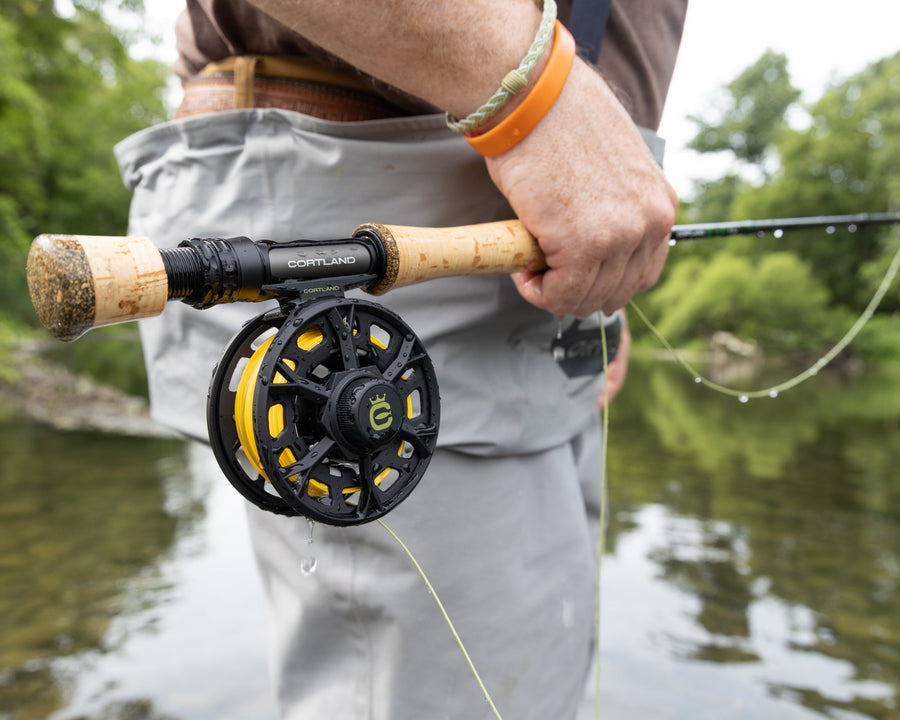

Cortland's next chapter continued its work in both fly lines and conventional braid, where the demands on a line could be very different. A trout line needed to carry a fly and land it gently, while an offshore braid might connect an angler to a fish powerful enough to test every part of the tackle. Designing for both meant understanding what each line had to do in the hands of the person fishing it.
As materials developed and anglers changed the way they fished, Cortland continued working on the construction of its lines. Hollow-core braid opened up new ways to connect line and leader, while new coatings changed how fly lines moved through the guides. Euro nymphing, big streamers, and specialized saltwater fishing each brought their own demands, calling for lines designed around the technique rather than expecting one construction to suit every kind of fishing.
That work followed the approach that had shaped Cortland from the beginning, using an understanding of materials and the way anglers fish to build a line suited to its job on the water.
Cortland Line Today.
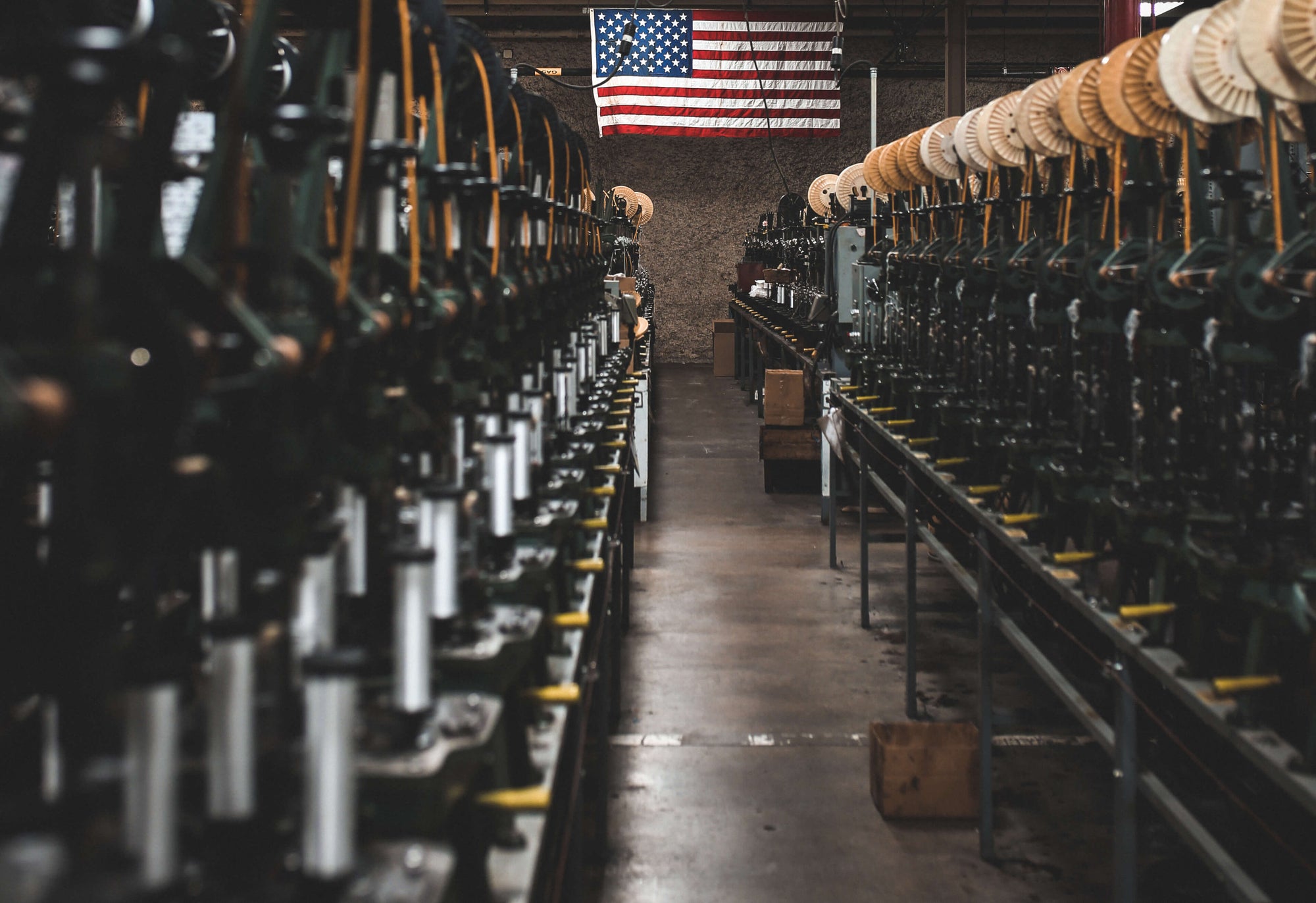
More than a century after Ray Smith began making silk fishing lines in Cortland, New York, line manufacturing remains at the center of the company. Cortland continues to design and manufacture fly lines in Cortland, building on generations of experience with braiding, coatings, tapers, cores, and materials.
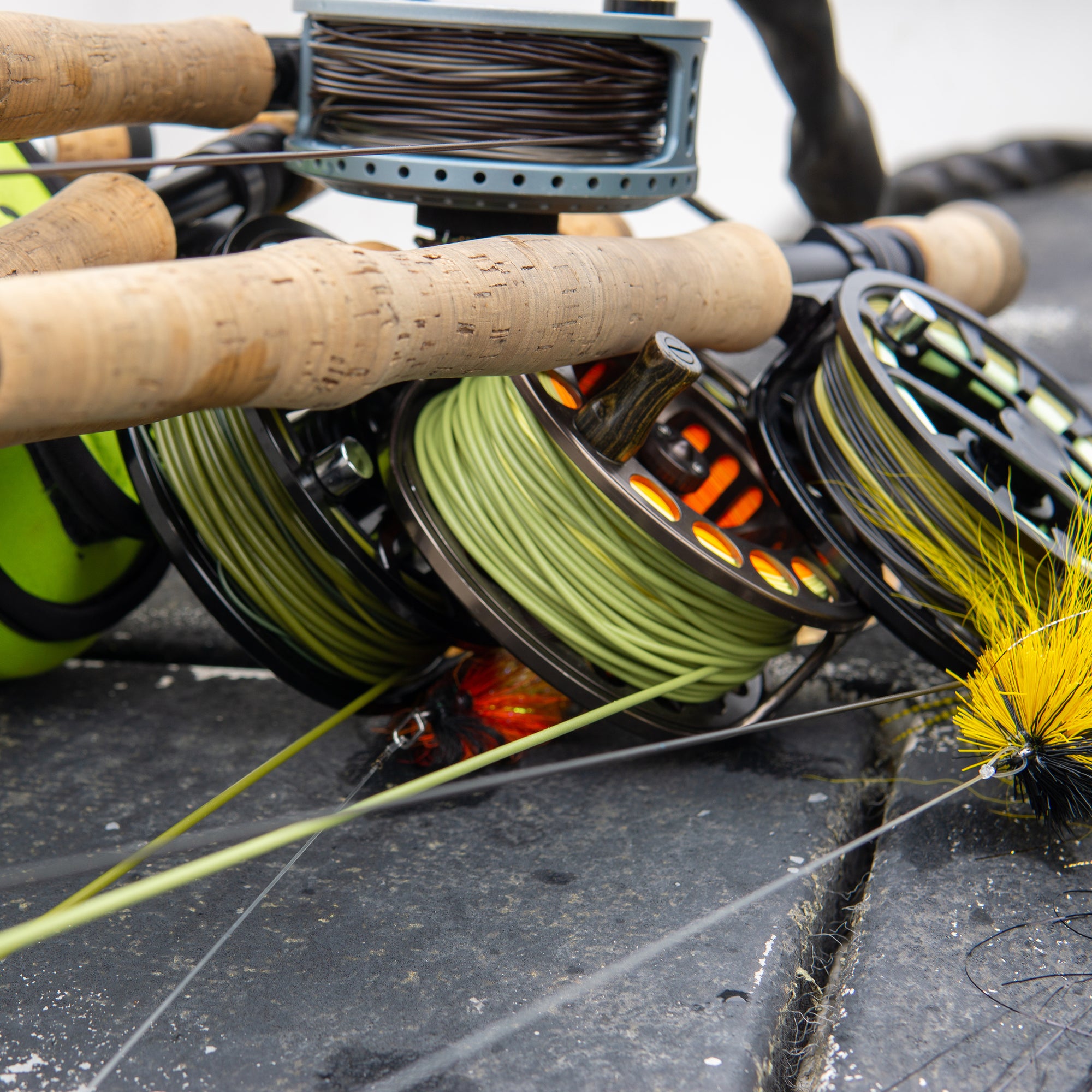
Today, Cortland makes fly lines for freshwater, saltwater, Euro nymphing, streamers, two-handed casting, and specialty applications, along with conventional braid, backing, leaders, tippet, and wind-on material. Different fishing situations require different line constructions, and Cortland develops its products around those specific demands.
The product range has grown considerably since the days of silk line, but fishing line remains the foundation of Cortland Line Company.
Cortland Line Company continues to design and manufacture fly lines in Cortland, building on more than 100 years of experience making fishing line and learning from the anglers who use it.
The equipment, materials, and fishing techniques have changed considerably since Ray Smith began making silk lines in 1915. The focus has not. Fishing line is still what Cortland does.
We Are Cortland