


333 Series
Dependable lines for everyday fishing.
Durable, satin-smooth fly lines built for modern action rods and dependable performance.
Introduced in 1953, the 333 Series was the first synthetic fly line ever produced. Today, the series has been reengineered for modern action rods, giving you durable, satin-smooth fly lines with dependable performance at an approachable price.


Compare 333 Series fly lines
Compare line type, application, and presentation style before choosing your setup.
| Line | Type / Profile | Use For |
|---|---|---|
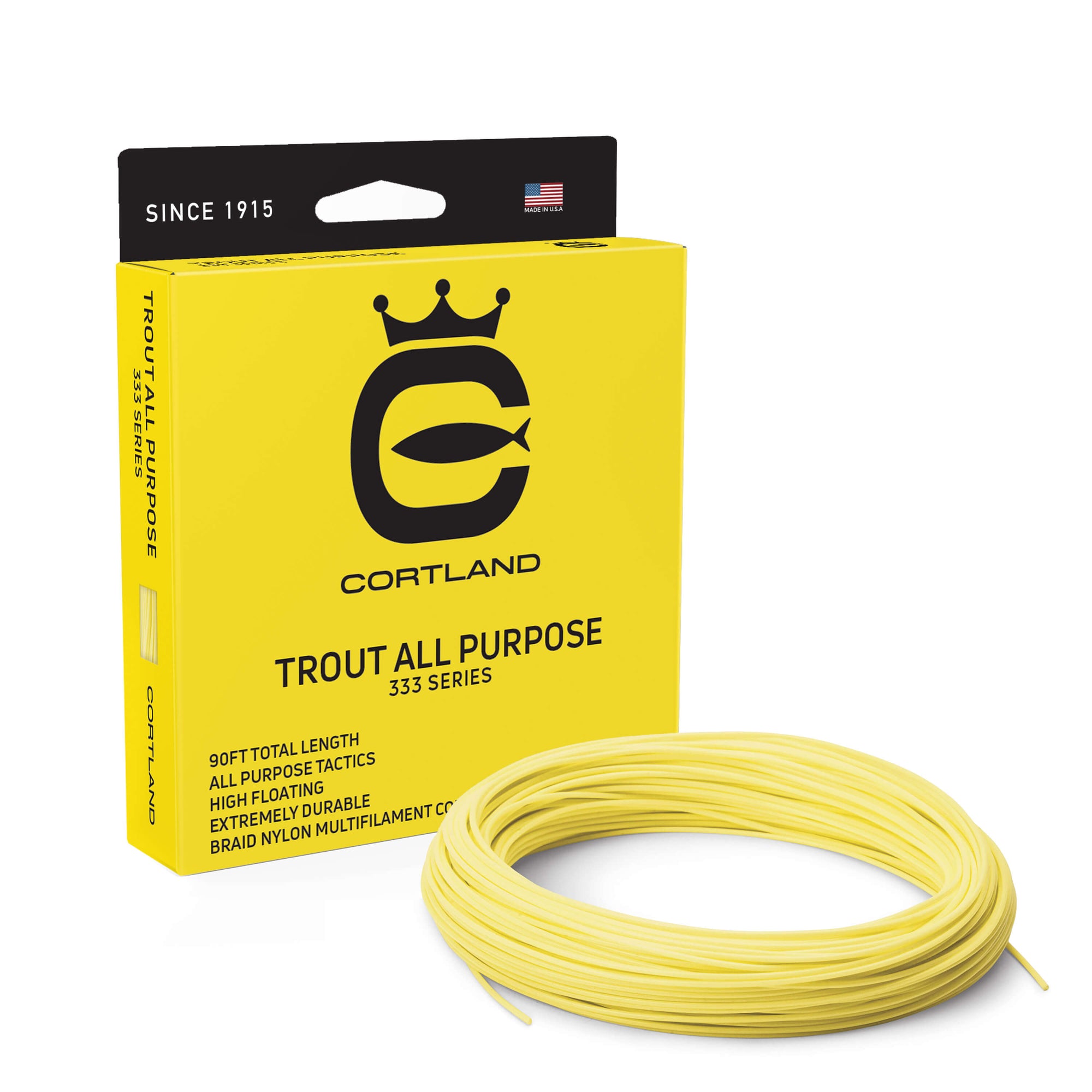
| 333 Trout All Purpose | Weight forward floating line | Dry flies, nymphs, streamers, mending, and roll casts |
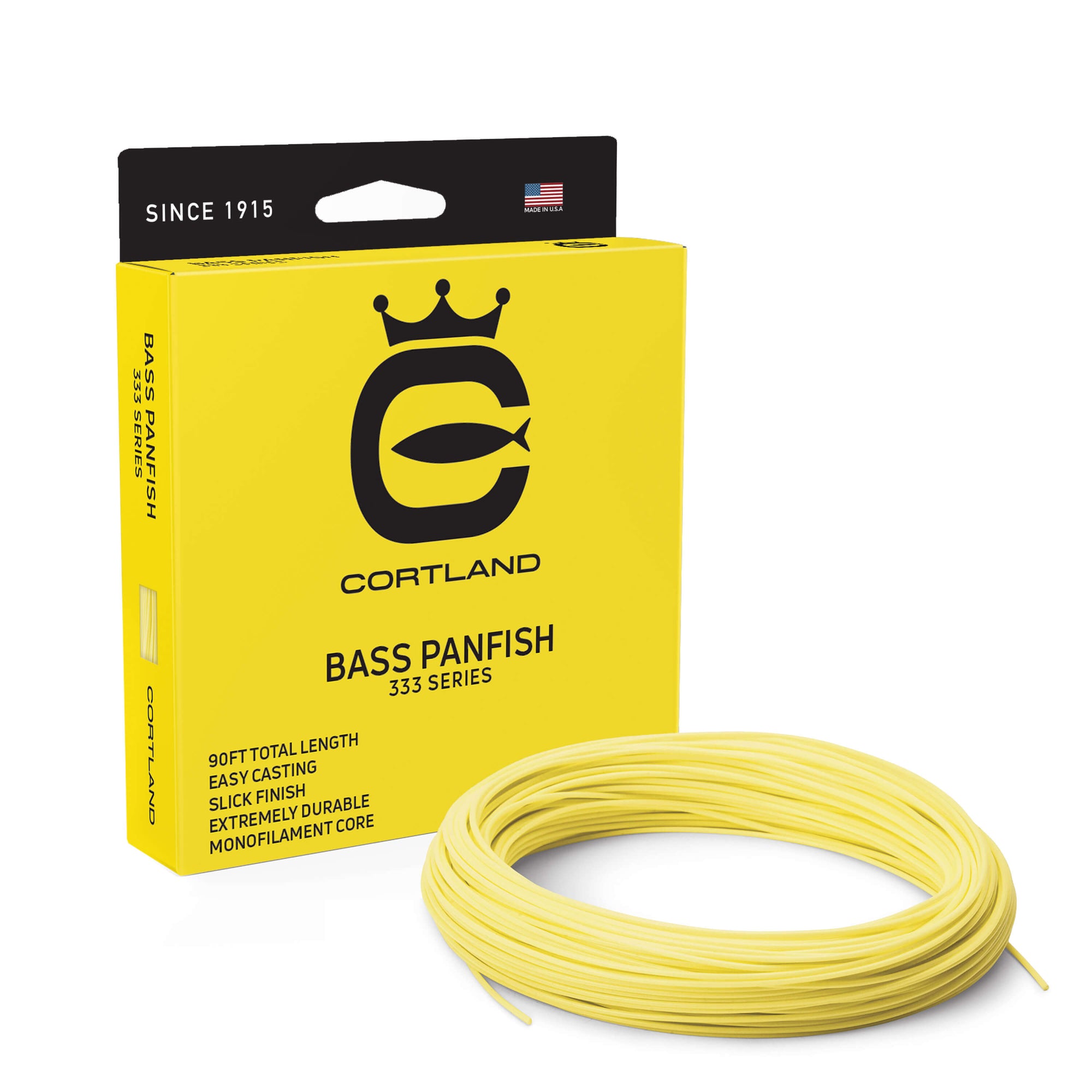
| 333 Bass Panfish | Aggressive floating taper | Bass, panfish, lakes, rivers, ponds, topwater flies, and streamers |
| 333 Full Sinking Type 3 | Type 3 full sinking line | Deep lakes, faster rivers, moderate depths, trolling, and suspended fish |
| 333 Double Taper | Double taper floating line | Dry flies, nymphs, streamers, mending, roll casts, and classic line control |
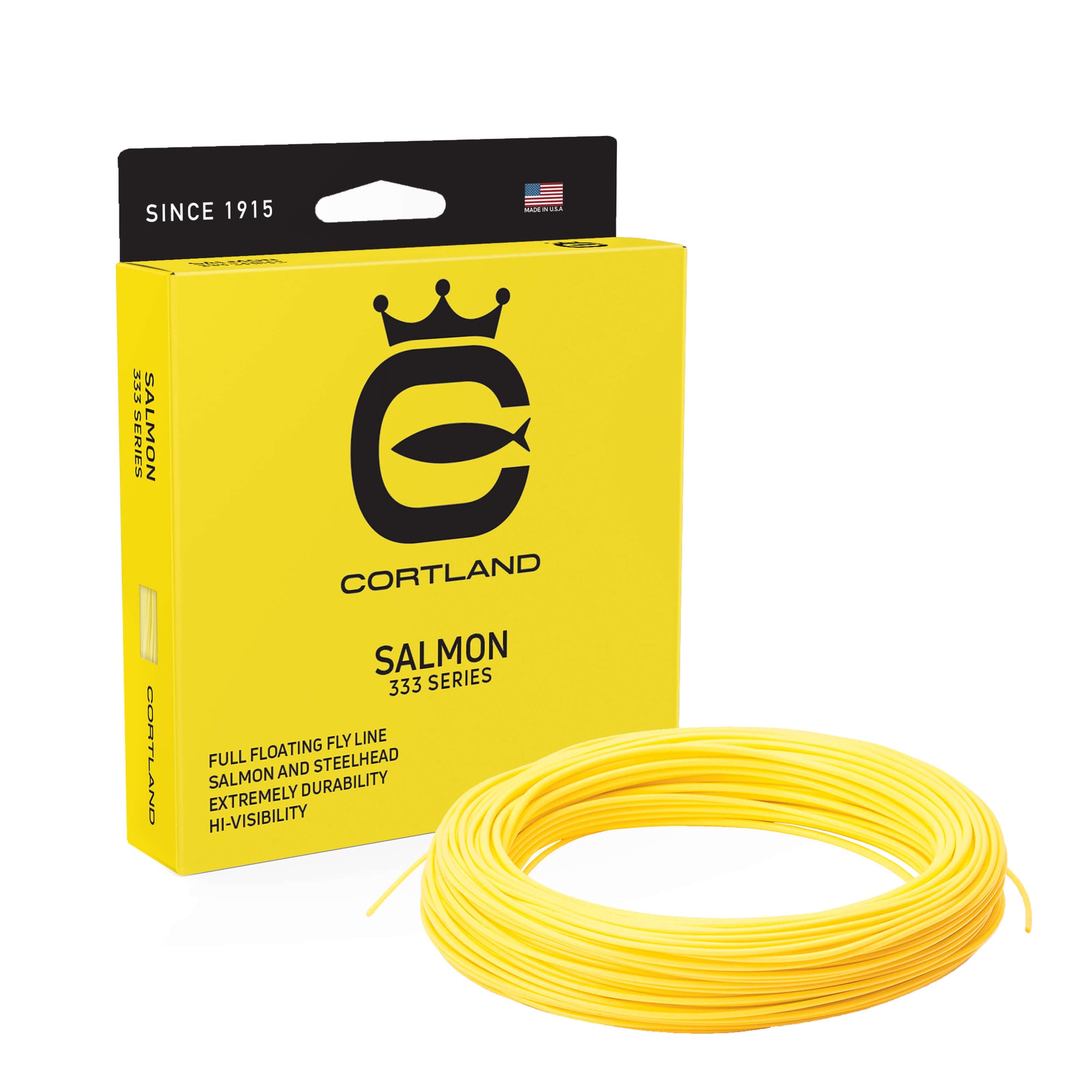
| 333 Salmon | Weight forward floating line | Salmon, steelhead, rivers, tributaries, and full floating presentations |
Quick guide: Start with Trout All Purpose for versatile everyday freshwater fishing, Bass Panfish for warm-water species and larger flies, or Double Taper for roll casting and line control. Choose Full Sinking Type 3 when you need to fish deeper, and Salmon for salmon and steelhead setups.
